Available now!
Build digital experiences anyone can tap, swipe, and scroll—no coding required
Zibit is a no-code platform for building digital signage, interactive kiosks, and touchscreen exhibits. You design in a drag-and-drop editor and deploy to any supported device in one click—no developers required.
Right project, right device
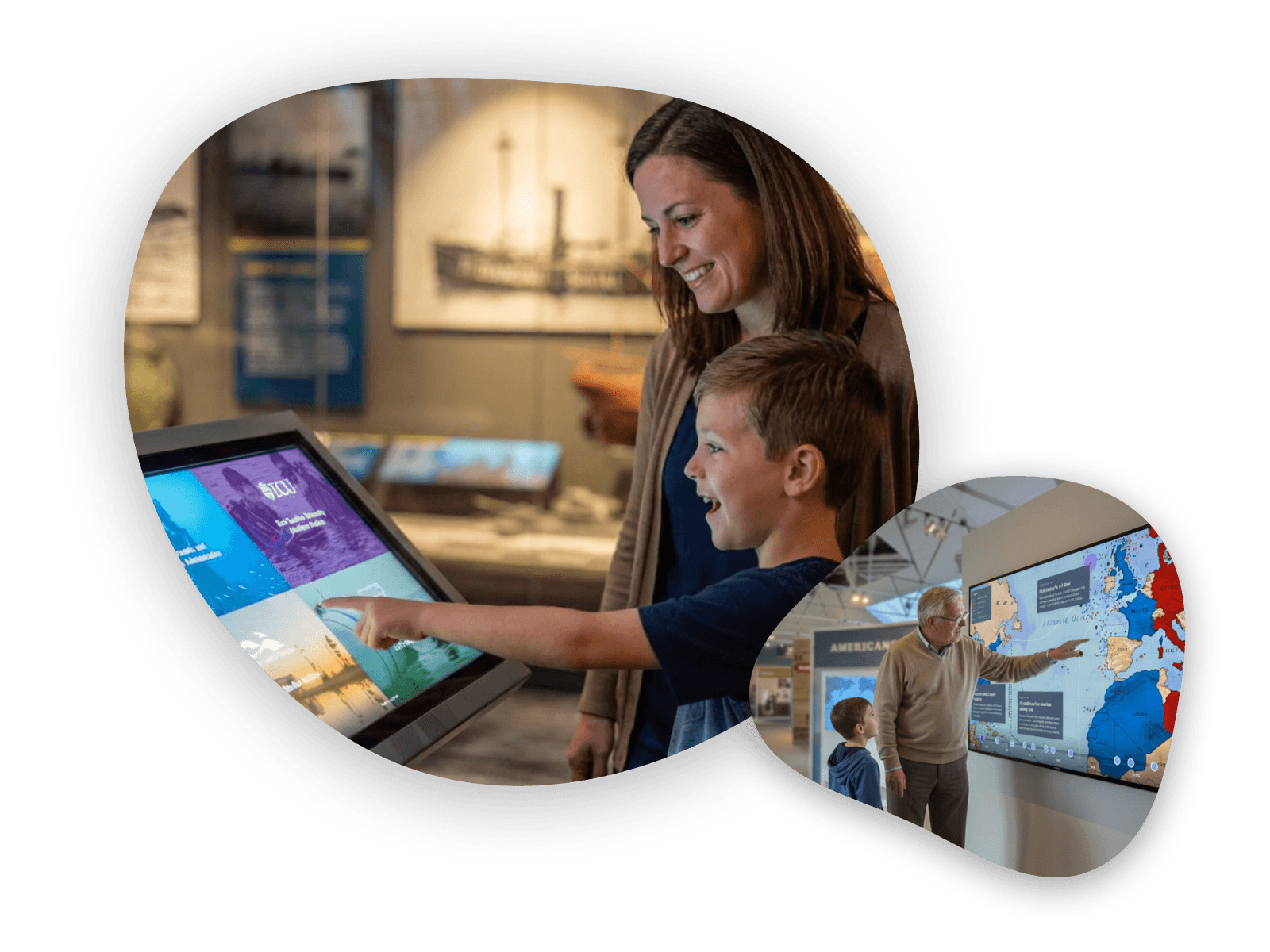
From short-term pop-ups using a spare tablet to multi-year installations on custom touch-screen tables, design your experience for the right device from step one.
Complete control, no code
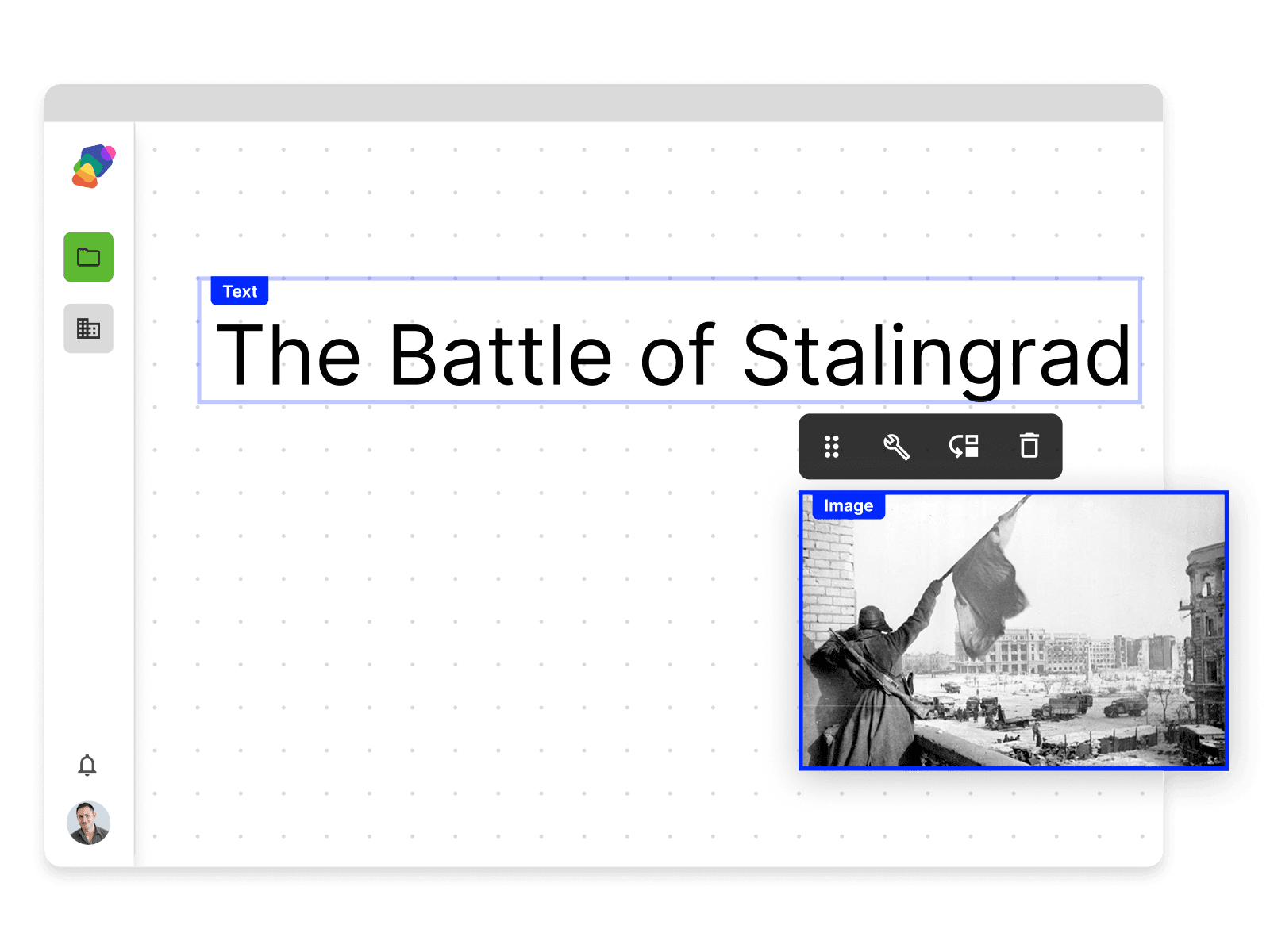
Design and launch your interactive experience on your schedule. Start from scratch or rapidly spin up a project using a template.
No complicated pricing
Get access to all of the bells and whistles without limitations for $89/month, or $80/mo with an annual membership. Sound too good to be true? Try it for free.
Key Features
Create and manage content with ease, together.
Zibit enables you and your team to design and deploy complex, engaging digital experiences with the best practices in interactive development built right in. Explore all features
Resources
Latest content
 Best Practice
Design for the space, not just the screen
A screen can look perfect in design and still fail. The environment it lives in determines if your experience attracts a crowd or sits neglected.

 Best Practice
Why Your Trade Show Content Shouldn’t Die After the Event
Stop rebuilding booth screens for every show. Reuse your trade show digital content, update it per event in minutes, and put it to work after the show.
 Best Practice
Attract Screens
You have three seconds to catch and keep someone’s attention. A great attract screen can help you do just that.

FAQ
Frequently asked questions
What is Zibit?
Zibit is a no-code platform for building digital signage, interactive kiosks, and touchscreen exhibits. You design in a drag-and-drop editor and deploy to any supported device in one click—no developers required.
How much does Zibit cost?
Zibit's Basic plan is $89/month, or $80/month billed annually ($960/year). Professional and Organization plans add more player installations and features, and every plan starts with a free 14-day trial.
See full pricingWhat devices does Zibit support?
Zibit runs on Windows, Linux, Mac, iOS, Android, BrightSign, Raspberry Pi, tvOS, and Amazon sticks through the Zibit player app, and projects can also be embedded on any website. Content syncs in real time across all connected displays.
Explore featuresHow much does digital signage software cost?
Digital signage software typically runs anywhere from free tiers to hundreds of dollars per screen, per month, depending on the vendor. Zibit uses one flat rate instead, with monthly and annual subscription options, with additional player installations at $80/month each and no per-screen surprises.
Is Zibit a no-code kiosk software?
Yes. Zibit is a no-code platform for building interactive kiosks and touchscreen experiences—you design, brand, and publish to your hardware without writing any code.
What can I build with Zibit?
Teams use Zibit to build:
- Interactive kiosks and touchscreen exhibits
- Museum and gallery exhibits
- Wayfinding displays
- Digital signage
- Education displays
Projects can share styles, collections, and files across a Space, so teams aren't rebuilding from scratch each time.
Is Zibit good for museums, retail, hotels, and other industries?
Zibit works for any organization that needs interactive displays without hiring developers—museums and galleries, retail and restaurants, hotels and visitor centers, libraries and campuses, government and nonprofit spaces, and corporate lobbies or trade show booths.
How is Zibit different from using PowerPoint or Google Slides for signage?
Slide tools aren't built for interactive, multi-screen, or touch-based displays—they lack real-time sync across devices, accessibility defaults, and one-click deployment to physical hardware. Zibit is purpose-built for interactive digital experiences, not repurposed presentation software.
Do I need to know how to code to use Zibit?
No. Zibit is fully no-code. You build interactive experiences with a drag-and-drop editor, templates, and shared style sets—no developers required.