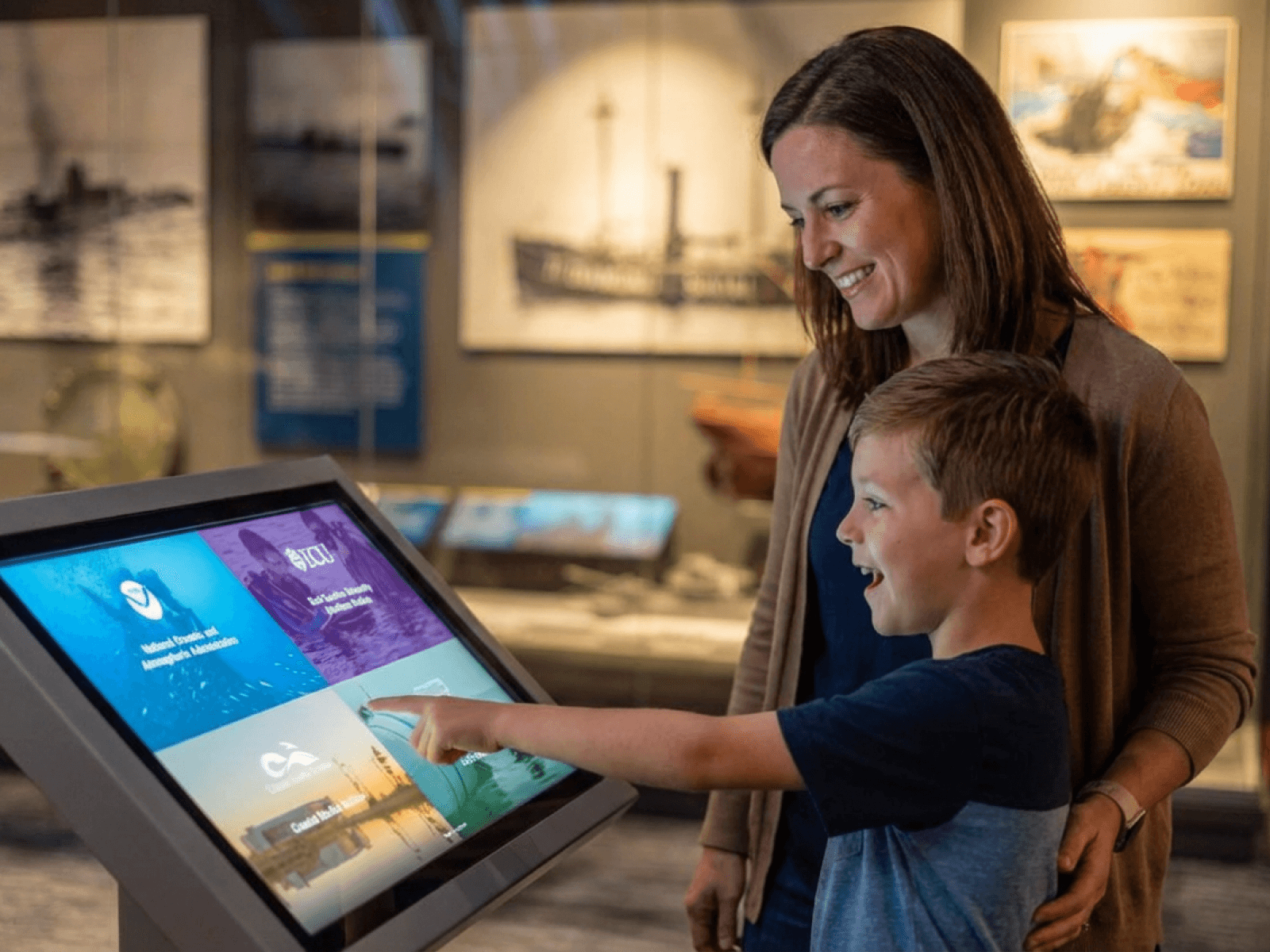
Layered depth
Surface labels for casual passers-by, deep dives for engaged visitors—one content pass, multiple depths.
The people who know the story best—curators, educators, docents—should be able to publish it directly. Zibit keeps layered content in sync across every kiosk and web embed.
Surface labels for casual passers-by, deep dives for engaged visitors—one content pass, multiple depths.
Subject-matter experts publish interpretive copy the week an exhibit or program changes. No developer, no vendor ticket.
Design and create content once and apply to every similar enclosure, case, or gallery type.
Write a surface label and a deeper narrative together so visitors choose how far to go. Cultural institutions can offer artifact deep-dives and curator commentary without building separate experiences for casual and engaged visitors.
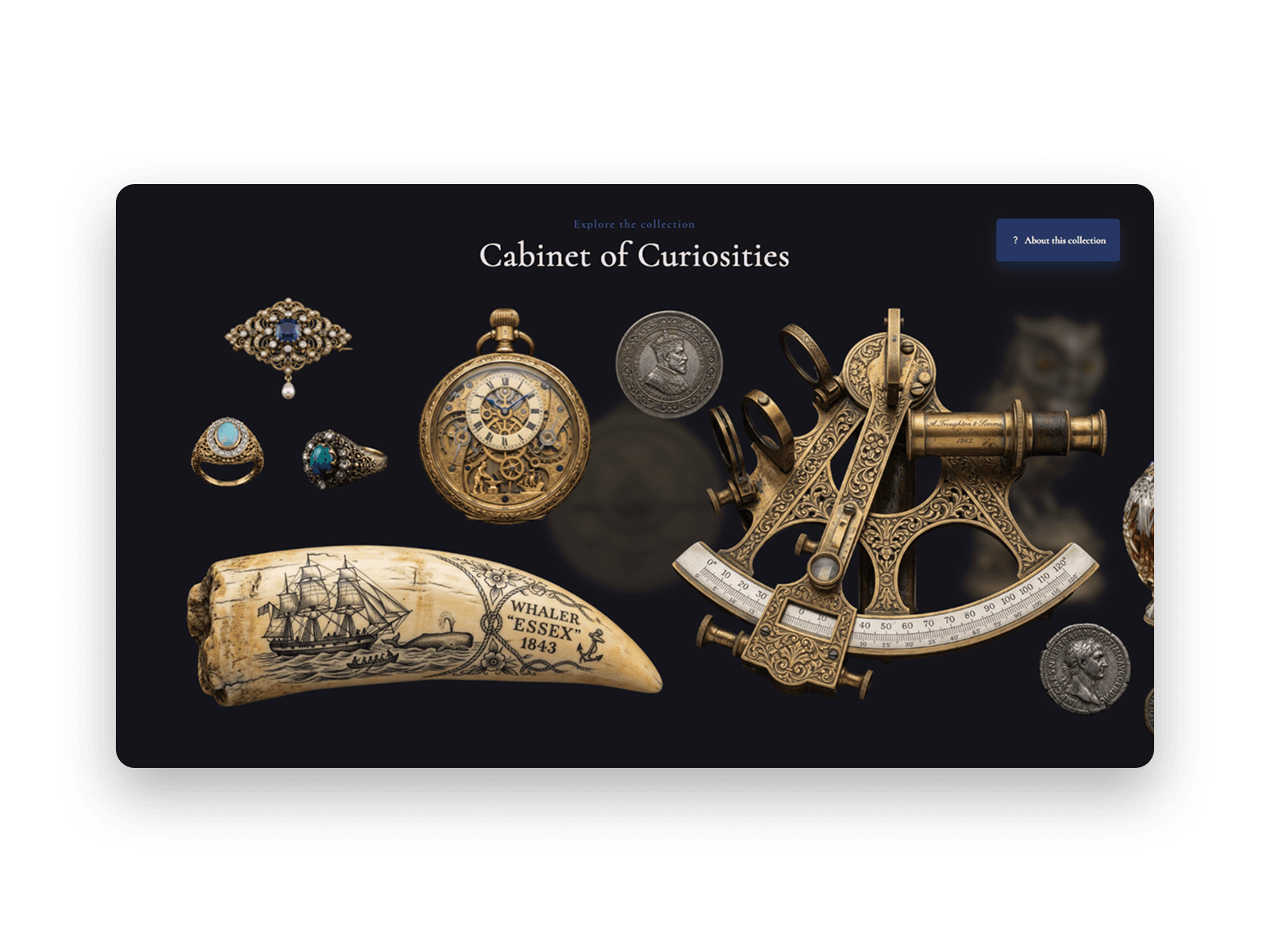
Save interpretive blocks—media galleries, quotes, timelines—and reuse them across similar cases or enclosures. Entertainment venues apply the same design elements across ride backstories, botanical garden interpretation, and stadium hall-of-fame moments.
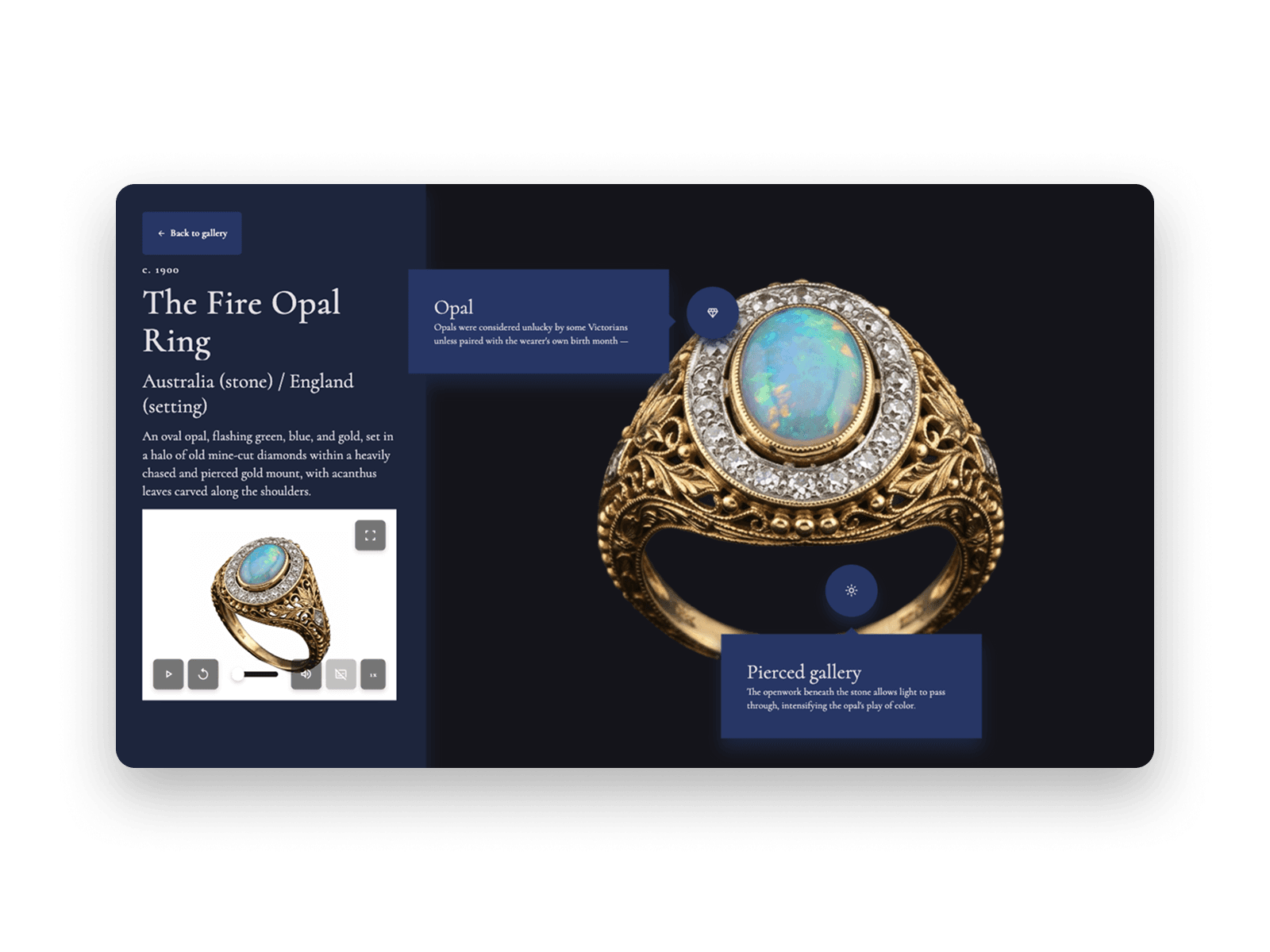
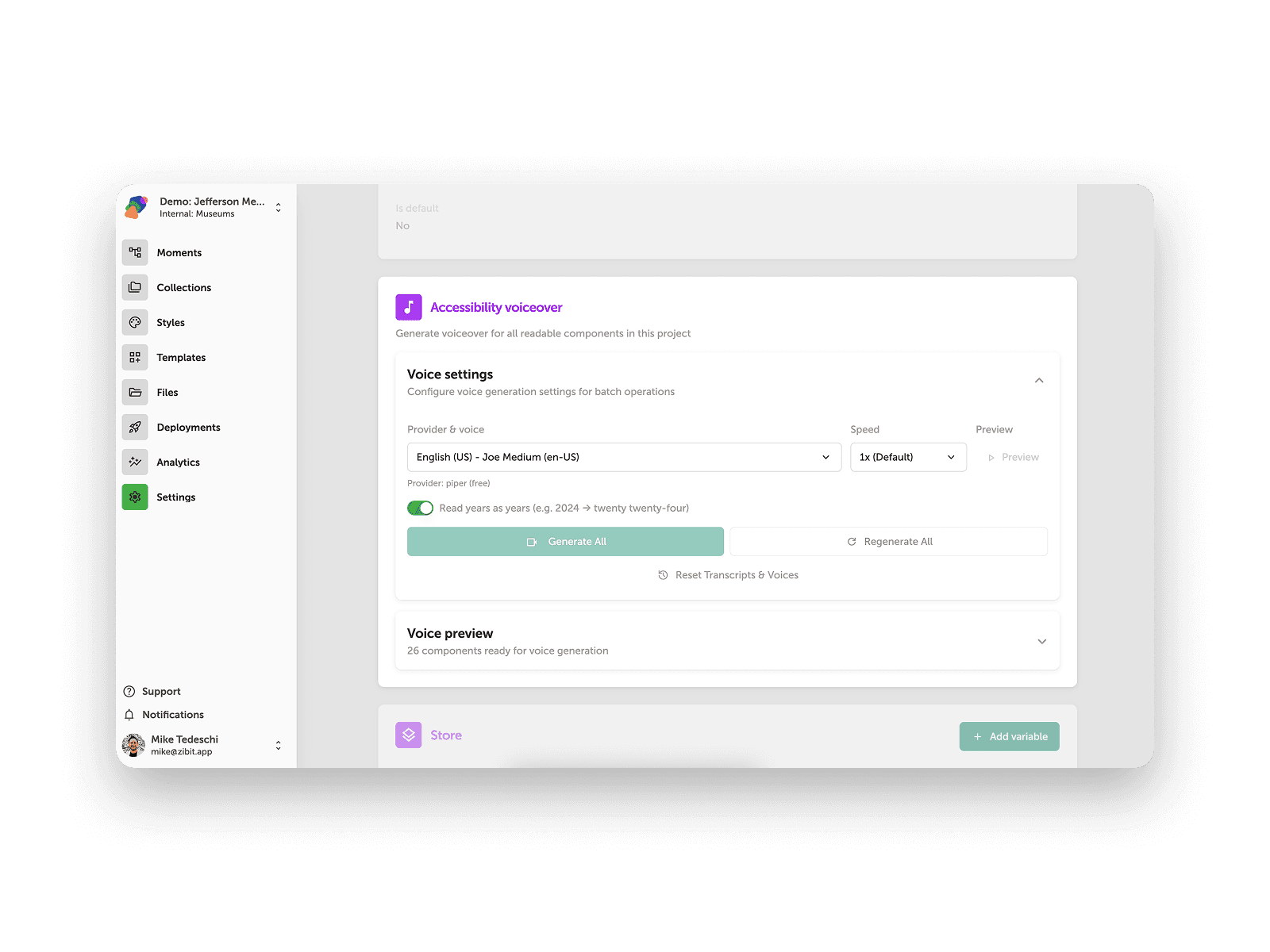
Generate narration and accessibility text from the same story you already wrote. Civic and nonprofit teams can add audio guides and captions to existing interpretation without a recording studio.
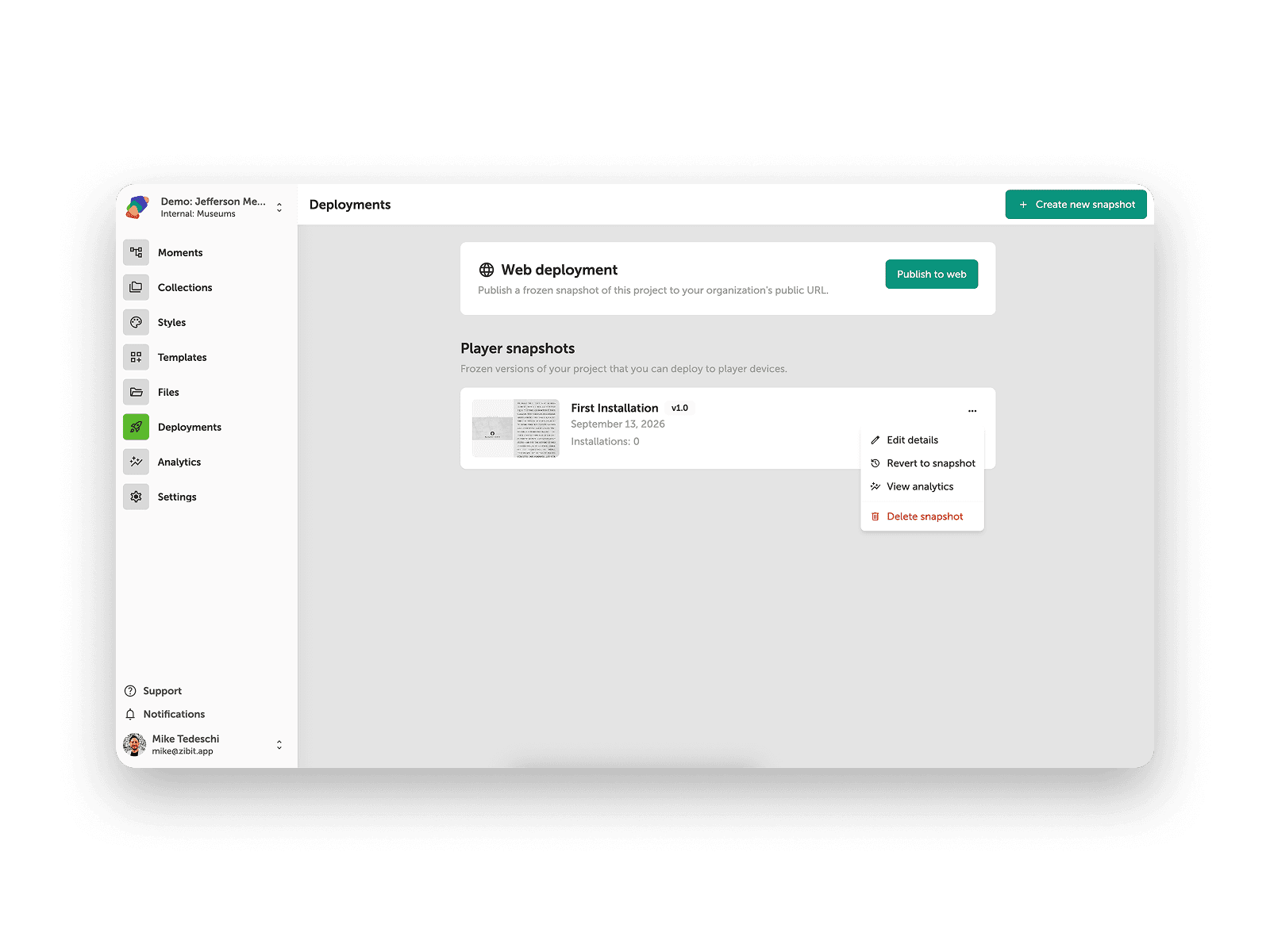
Deploy a new snapshot when an exhibit rotates or a campus story needs a refresh—every kiosk updates together. Education teams keep alumni and special-collections content current without an IT ticket.
Artifact and exhibit deep-dives, curator commentary, and species or habitat interpretation at zoos and aquariums.
Botanical garden interpretation, ride and attraction backstories, and stadium team history or hall-of-fame content.
Property and building history at heritage hotels, plus regional culture stories at visitor centers.
Monument and building history at government sites, with mission and impact storytelling for nonprofits.
Campus history, notable alumni content, and special collections interpretation in libraries.
Practical reads for teams planning interpretive digital experiences.
Small institutions have the same ambitions as large ones with a fraction of the resources. Here's why custom builds rarely fit and how Zibit lets small teams do more with less.


The idea is never the hard part. Getting an interactive exhibit into a state where people can actually try it is where non-technical teams stall—and where Zibit changes the economics of iteration.
The playbook for digital experiences in physical spaces is broken. No-code and Zibit is the future.
Yes. Layered storytelling kiosks let subject-matter experts write surface labels and deep dives in one pass, then reuse that content across similar cases, enclosures, or galleries.
No. Zibit is fully no-code. You build interactive experiences with a drag-and-drop editor, templates, and shared style sets—no developers required.
Yes. Zibit is built accessible by default, with automatically generated color and type contrast, captions, AI-generated voiceovers, and integration with accessibility controllers.
Zibit's Basic plan is $89/month, or $80/month billed annually ($960/year). Professional and Organization plans add more player installations and features, and every plan starts with a free 14-day trial.
See full pricingStart a free 14-day trial or schedule a demo, then build your first project in the editor—from scratch or from a template—and deploy it to your device with the Zibit player app.
Try for free